
In a rental, who pays the community fees and which expenses correspond to each party


Knowing who pays the community fees in a rental is one of the most common doubts for both landlords and tenants. Although this expense normally corresponds to the landlord, the Urban Leases Law allows the tenant to assume certain community expenses if this is reflected in the contract.
In addition, not all costs related to the community are the same. While ordinary expenses can be passed on to the lessee, special assessments and extraordinary works usually fall on the landlord. This difference is key to avoiding conflicts and understanding which expenses each party must pay.
What are community fees in a rental
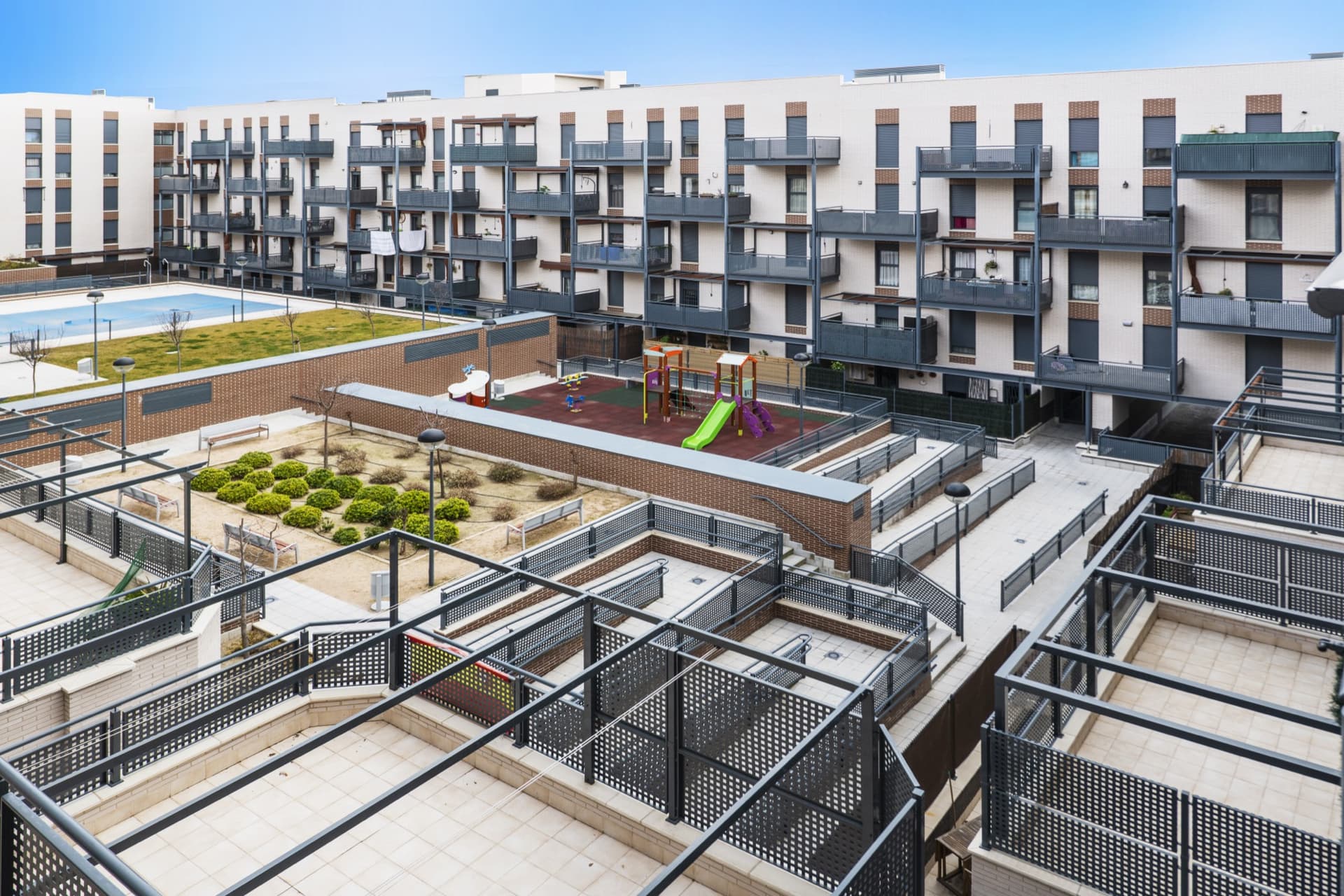
Community fees are those costs related to the maintenance and operation of the common areas of a building or development, such as cleaning, the lift, lighting or the swimming pool. These expenses are managed by the residents' association and are usually paid monthly or quarterly.
At Finaer, we know that one of the most frequent doubts when renting a home is understanding which expenses the tenant can assume and which correspond to the landlord. That is why it is important to review the contract carefully and distinguish between ordinary and extraordinary expenses before signing a rental.
What community fees include
Community fees usually include services and maintenance related to the common areas of the property. Some of the most common are:

Cleaning of stairs and entrance halls
Lift maintenance
Lighting of common areas
Concierge or doorkeeper service
Maintenance of gardens or swimming pool
Ordinary repairs to the building
Community insurance
In buildings with additional services, expenses can be higher, especially if there are sports facilities, private security or large common areas.
Difference between ordinary and extraordinary expenses
One of the most important aspects is distinguishing between ordinary and extraordinary expenses.
Ordinary expenses are those related to the usual maintenance of the property. For example, cleaning, the lift or the electricity of the common areas.
In contrast, extraordinary expenses refer to special assessments or major works, such as the renovation of the façade, the replacement of the roof or the installation of a new lift.
This difference is key because it does not always correspond to the same person to pay them.
In a rental flat, who pays the community fees according to the law
The Urban Leases Law regulates the distribution of expenses between landlord and tenant. According to this regulation, the landlord is the one who must assume the general expenses related to the home, unless there is a specific agreement in the contract.
For this reason, reviewing the lease clauses is essential before signing.
What the Urban Leases Law says
The LAU establishes that general expenses for the proper upkeep of the property, its services, taxes and charges can be passed on to the tenant only if this is expressly agreed in writing.
This means that the landlord cannot demand payment of the community fees from the lessee if it is not clearly reflected in the rental contract.
In addition, the annual amount of these expenses must be determined at the time of signing.
When the landlord pays the community fees
As a general rule, the landlord pays the residents' association fees. This happens especially when the contract does not mention anything about this expense.
The landlord is also responsible for assuming payments related to:
Extraordinary special assessments
Structural works
Improvements to the building
Major repairs to common elements
In short, the landlord is the one who retains the main obligation towards the residents' association.
When the tenant can pay the community fees
The tenant can assume the community fees when there is an explicit agreement in the rental contract.
In these cases, it is common for the landlord to pass on to the lessee the ordinary expenses associated with the regular use of the common facilities.
However, for it to be valid, the contract must clearly specify:
Which expenses the tenant pays
The approximate annual amount
How the payment will be made
If it is not detailed correctly, claims or subsequent legal problems may arise.
Who pays the residents' association fees in a rental
Although the law sets out some general foundations, each contract can establish different conditions regarding the distribution of community fees.
That is why, before renting a home, it is advisable to analyse in detail all the clauses related to additional payments.
What must appear in the rental contract
If the landlord wants the tenant to pay the community fees, this obligation must appear expressly in the contract.
It is not enough to mention it in a generic way. It is advisable that it includes:
The exact concept of the expense
The annual or monthly amount
The system for updating the amount
The services included
The more detailed the contract, the lower the risk of conflicts in the future.
How community fees are distributed
In practice, the distribution is usually done as follows:
The tenant assumes ordinary expenses linked to the daily use of the property.
The landlord takes charge of extraordinary expenses and special assessments.
For example, the lessee could pay for the maintenance of the lift or the cleaning of the building, while the landlord would assume a façade renovation or structural work.
Everything will depend on the agreement reached between the two parties.
What happens with special assessments and works in the building
Extraordinary special assessments usually raise many doubts in rentals.
In most cases, it is up to the landlord to pay this type of expense because it affects the structural or patrimonial value of the property.
Some common examples are:
Installation of a lift
Complete refurbishment of the entrance hall
Energy renovation
Repair of roofs or façades
Even if the contract states that the tenant pays the community fees, that does not automatically mean they must assume the extraordinary special assessments.
Who pays the community fees in a commercial premises rental
In rentals of commercial premises, the situation is usually different from that of homes.
The regulations offer greater freedom to agree on the economic conditions between landlord and lessee, so it is common for many expenses to fall on the tenant.
Differences between renting a home and renting premises
Housing contracts are more protected by the LAU, especially when they are intended as a habitual residence.
However, in commercial premises there is greater contractual flexibility. For this reason, it is frequent for the tenant to assume:
Community fees
IBI
Municipal taxes
Maintenance of common areas
Everything will depend on what is agreed between the parties.
What is usually established in premises contracts
In a commercial premises rental, the landlord usually transfers more costs to the lessee.
It is common to find clauses where the tenant pays:
Owners' association fees
Maintenance services
Private security
Cleaning of commercial areas
Taxes related to the activity
For this reason, reading the contract carefully is even more important in this type of lease.
Most common expenses in commercial premises
Premises located in shopping centres or business buildings usually have high community expenses due to the services included.
Some of the most frequent are:
Surveillance and security
Centralised air conditioning
Cleaning of common areas
Car parks
Advertising of the premises
Technical maintenance
These expenses can considerably influence the profitability of the business.
How to avoid problems with community fees in a rental
Conflicts related to the community usually occur due to a lack of information or unclear clauses in the contract.
To avoid problems, it is advisable to take several aspects into account before signing the rental:
Check before signing who assumes the community fees.
Check whether there are pending special assessments in the community.
Verify which expenses are reflected in the contract.
Avoid ambiguous clauses related to the payment of the community fees.
A good review of the contract can prevent future disputes and claims between landlord and tenant.
Frequently asked questions about who pays the community fees in a rental
Who pays the IBI and the community fees in a rental?
The landlord pays both concepts by default, although they can pass them on to the tenant if it is expressly reflected in the rental contract.
In a rental, who pays the community fees if the contract says nothing?
If the contract does not mention the community fees, it is up to the landlord to assume the payment.
Who pays the special assessments in a residents' association?
Extraordinary special assessments are usually the responsibility of the landlord, especially when they affect structural improvements or renovations of the building.
Can the landlord charge the community fees to the tenant?
They can only do so if the contract contemplates this possibility and the system for updating the expenses is specified.
Share article






Start today with Finaer
The guarantee that makes renting easier for everyone.