
Who pays for a broken faucet in a rental apartment?

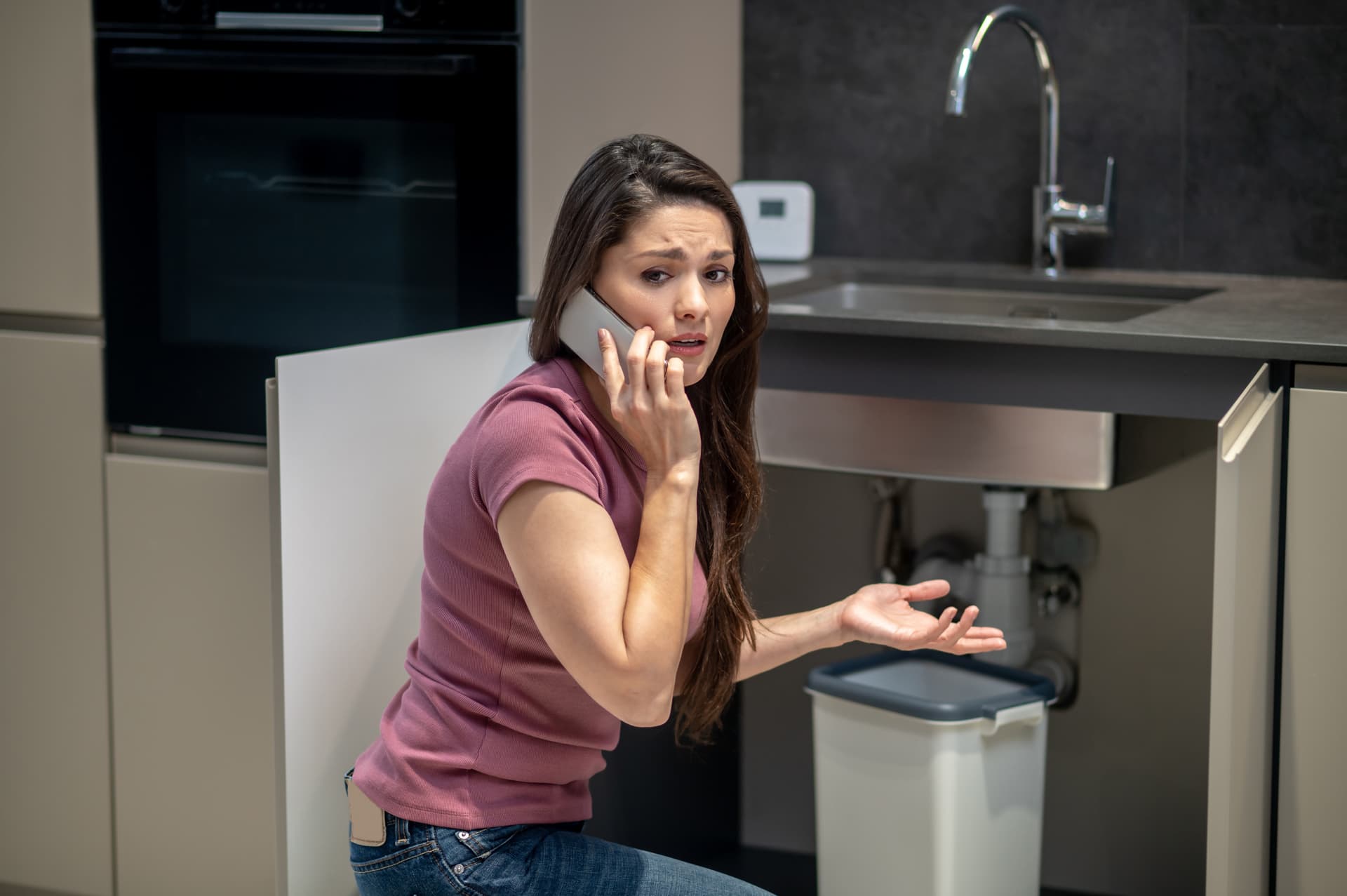
Breakdowns in a rental property are one of the situations that generate the most doubts, because it's not always clear whether it's a "normal" day-to-day repair or a problem that the landlord must take on to maintain the property. A dripping faucet, a loose handle, or a sudden break may seem the same, but legally they are not always treated equally.
Breakdowns in a rental property are one of the situations that generate the most doubts, because it's not always clear whether it's a "normal" day-to-day repair or a problem that the landlord must take on to maintain the property. A dripping faucet, a loose handle, or a sudden break may seem the same, but legally they are not always treated equally. That's why, when the issue arises, the question is logical: who pays for a broken faucet in a rental apartment, tenant or landlord?
The answer mainly depends on two factors: the cause of the breakdown (use, wear, age, pre-existing defect, etc.) and the scope of the repair (whether it's a minor fix or if it affects the plumbing system and habitability). Below we explain it with legal criteria and easy-to-identify examples.
What does the law say about repairs in a rental property
The Urban Leasing Act (LAU) establishes a general distribution of responsibilities regarding maintenance and repairs during the rental period. The essential criterion is to distinguish between: repairs necessary to maintain the property in adequate conditions of use (habitability), which usually fall on the landlord, and minor repairs resulting from normal use, which usually fall on the tenant.
In practical terms, the landlord has the obligation to maintain the property in a condition suitable for living, so they must handle significant breakdowns or problems due to age or pre-existing defects. On the other hand, the tenant must cover minor repairs linked to normal wear and tear from daily use: things that break down over time and are fixed with simple interventions.
This is the framework that applies when we talk about faucets: if it's a matter of basic maintenance or normal wear, the tenant usually pays; if the problem is due to age of the installation or significantly affects the water supply and use, the landlord usually covers it.
So, who pays for a broken faucet in a rental apartment?
The faucet is a good example because it can fail for very different reasons. In some cases it's a minor repair and in others it's a symptom of a broader problem.

When the tenant pays
The tenant usually covers the cost when the fault is due to normal wear or a simple fix from daily use. For example, a slight drip from a worn gasket, a handle that loosens over time, or a small leak that is fixed by replacing a minor part.
In these cases, it is normally understood that these are tenant repairs, as they are part of the basic maintenance associated with living in the property.
When the landlord pays
The landlord usually takes responsibility when the breakdown is related to the age of the faucet or the installation, pre-existing defects, or problems that go beyond a simple adjustment. Also when the fault significantly affects normal water use (for example, if there's no water, there's a major leak, or plumbing work is needed).
If the repair requires major work or affects overall functionality, it is usually considered a conservation obligation.
Common cases of broken faucets in rentals
In practice, what helps most is comparing the specific case with typical situations. This doesn't replace an individual analysis, but it provides good guidance.
Practical examples to understand it better
Dripping from a worn gasket or dirty aerator: usually the tenant, because it's normal wear and a small fix.
Very old faucet that breaks or leaks without improper handling: usually the landlord, due to age/defect.
Leak in hose, connections, or installation problems: usually the landlord, especially if it requires plumber intervention beyond a minor adjustment.
Breakage from rough use or mishandling: usually the tenant, if it can be proven that it wasn't normal wear.
What the new rental law establishes about repairs
When searching for information about the new rental law on repairs, many people expect drastic changes. However, the basic criteria for repairs in habitual housing remains: the landlord retains the obligation of conservation and habitability, and the tenant is responsible for minor repairs from ordinary use.
Therefore, when facing a breakdown like a broken faucet, what matters is not so much the "name" of the law, but applying the correct criteria: what caused it and what scope the repair has.
The importance of reporting the breakdown on time
A practical recommendation (and very useful for avoiding conflicts) is to report any breakdown as soon as it appears. A small drip can end up causing dampness or furniture damage if left unattended. Additionally, reporting quickly helps demonstrate good faith and cooperation.
Notify in writing (message or email), explaining the problem.
Provide photos or video if possible.
Propose a solution: inspection, plumber visit, or repair.
This reduces misunderstandings and makes it easier for both parties to reach a quick agreement.
How repairs affect the relationship between tenant and landlord
In a competitive rental market, trust between tenant and landlord matters a lot. And there, minor breakdowns (like a dripping or broken faucet) can become a big problem if not managed well: when not reported on time, when the repair is delayed, or when there are doubts about who pays for a broken faucet in a rental apartment.
That's why more and more tenants try to strengthen their profile from the start by showing stability and responsibility. In addition to providing financial documentation, some choose to include a rental payment guarantee contracted by themselves, as financial backing within the contract. This can facilitate smoother agreements and a more stable relationship during the rental.
However, this type of guarantee does not replace the legal deposit nor does it change what the LAU says about repairs. It serves to generate greater security in the relationship, but the rules about who pays for a specific breakdown still depend on the cause and scope of the problem.
Frequently asked questions about who pays for a broken faucet in a rental
Does the tenant always pay for a dripping faucet?
Not always. If the drip is due to a part worn from daily use (for example, a gasket), the tenant usually covers it because it's considered a minor repair. But if the faucet is old, has a pre-existing defect, or the problem is not simple wear but a major breakdown, the landlord most commonly pays. That's why it's important to assess the cause and not just the symptom.
Can the landlord deduct the faucet repair from the deposit?
Only in certain cases. The landlord could deduct the amount if the repair clearly falls on the tenant and it's justified that the breakdown is due to misuse or damage attributable to the tenant. However, it should not be deducted if the problem is normal wear or derives from the previous state/age of the installation. To avoid conflicts, it's advisable to keep invoices and evidence of the problem's origin.
Who pays for a broken faucet in a rental you've just moved into?
If the faucet breaks at the start of the contract or in the first few days, it usually points to a pre-existing problem (age, defect, or previous deterioration). In that case, the repair normally falls on the landlord, especially if the tenant hasn't had enough time to cause significant wear. Even so, it's important to report it immediately and, if possible, document it with photos or video for the record.
What to do if landlord and tenant can't agree?
The first step is to try to resolve it with written communication and providing information (photos, videos, quotes). If the disagreement persists, it may help to request a professional assessment (for example, a plumber indicating the probable cause) and rely on what's established in the contract, always within the legal framework. As a last resort, there are complaint or mediation channels, but it's usually possible to reach an agreement with clear evidence without escalating the conflict.
Conclusion: understanding repairs avoids conflicts
Knowing who pays for a broken faucet in a rental apartment depends on the origin and scope of the breakdown. As a general rule, the tenant covers minor repairs from normal use, while the landlord handles repairs necessary to maintain the property in adequate conditions.
Share article






Start today with Finaer
The guarantee that makes renting easier for everyone.