
Tips for renting out a flat: practical guide and checklist


Renting out a property can be an excellent way to earn returns, but it is also one of the decisions that generates the most doubts for landlords. Having tips for renting out a flat safely is key to reducing risks and making better decisions.
Renting out a property can be an excellent way to earn returns, but it is also one of the decisions that generates the most doubts for landlords: what if the tenant stops paying?, what if there is damage?, how do I avoid contract problems?, what documentation should I ask for?, how do I manage the deposit and utilities? That is why having tips for renting out a flat safely is key to reducing risks and making better decisions. Rental security does not depend on a single factor, but on a complete process that starts before publishing the listing and ends when the deposit is returned and the contract is properly closed.
10 Tips for renting out a flat with peace of mind
In this guide you will find 10 practical keys for renting with greater peace of mind, plus extra recommendations (property preparation, photos, documentation), a final checklist and a FAQ section that answers the most common questions. If you apply these steps, you will significantly reduce the risk of non-payment, conflicts and unpleasant surprises.

1) Prepare the property before renting it out and avoid problems from day one
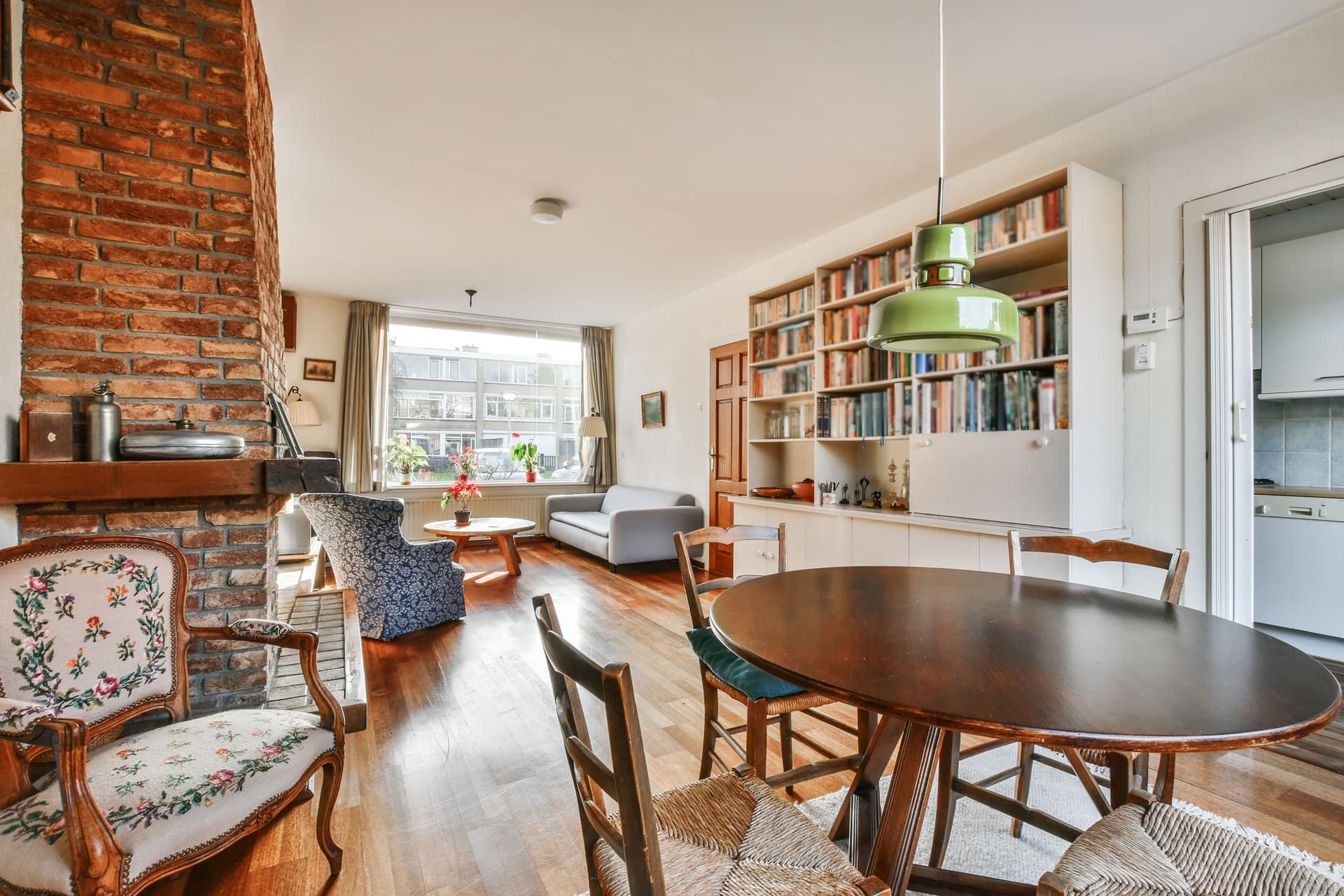
Rental security starts with the condition of the property. A well-prepared flat attracts better profiles, reduces unnecessary viewings and avoids subsequent complaints. Before publishing the listing, check these basic points: deep cleaning and good ventilation, painting and minor repairs (sockets, taps, blinds, silicone in bathroom/kitchen), functioning appliances if furnished, boiler/air conditioning check if applicable, light bulbs, locks and keys in good condition.
Additionally, following these tips for renting out a flat more safely, review the basic property documentation (for example, the habitability certificate or equivalent if applicable in your region) and have the energy certificate ready. The clearer and more "ready to move in" the flat is, the fewer discussions you will have about the initial condition or about what "doesn't work" right after moving in.
2) Create a clear listing and use good photos to filter better and rent faster
Although it may seem like a more "commercial" topic, it directly influences security. A confusing listing attracts people who don't fit, generates useless viewings and increases the likelihood of renting in haste. To improve candidate quality: describe transparently what the rental includes (square metres, rooms, expenses, condition, furnished or not), indicate important conditions, include photos with good natural light, order and realistic focus, and if possible, add a short video or tour to reduce "curious" viewings.
A well-crafted listing doesn't just rent faster: it also allows you to choose calmly and reduce risk.
3) Define a tenant profile and filter with criteria: the most important key
Most rental problems are prevented by selecting the tenant well. Before showing the flat, define which profile fits your property: family, couple, relocated worker, student, etc. This allows you to filter better and compare candidates with objective criteria. Don't decide just by "feeling" or in a rush, compare 2-3 candidates (if the market allows), ask about employment situation, reason for renting and expected duration, and assess stability and coherence (clear answers and matching documentation).
If someone pressures you to sign quickly, avoids providing documentation or changes their story several times, it is a warning sign. Selection is your first layer of security.
4) Request documentation and check solvency without overcomplicating, but without skipping steps
To rent safely you need to verify two things: identity and income. The usual request includes: identity document (ID card/residence permit/passport), proof of income (payslips, employment contract, tax return), in some cases, recent bank statements or transactions, and if self-employed: tax returns or income certificates.
Additionally, as a guideline, it is advisable that the rent does not exceed approximately 30-35% of net monthly income. It is not a law, but it is a very useful reference for assessing actual ability to pay. If the effort is too high, the risk of non-payment increases.
5) Clarify the financial conditions from the start and avoid misunderstandings
Before signing, put the key conditions in writing, even if by email: monthly rent and payment method, payment date (for example, first 5 days of the month), legal deposit and additional guarantees (if agreed), expenses included or passed on (community fees, property tax, waste collection, etc.), contract duration and move-in date.
This avoids subsequent discussions like "I thought it was included" or "they told me that...". Clarity at the start greatly reduces conflicts.
6) Solid, up-to-date contract without problematic clauses: your legal shield
The contract is the document that protects you if something goes wrong. It should include: complete identification of both parties, description of the property and annexes (storage room, garage), duration, extensions and termination causes, rent, payment method and annual update, maintenance and repair obligations, conditions on subletting, use and cohabitation, pet policy (if applicable) and inventory (if furnished).
Very important: avoid abusive or ambiguous clauses. If a clause is deemed void, it can work against you. It is also advisable to expressly include whether subletting is permitted and under what conditions third parties can be accommodated. These are small details that prevent big problems.
7) Rent updating: make the "how" and "when" clear
Many conflicts arise with the annual increase. If it is to be updated, it must be agreed in the contract with clear criteria. The update clause should indicate: when it applies (for example, every year on the same date), what index or reference is used, how the tenant is notified and when the new rent takes effect.
This avoids arguments and makes the update transparent. If not defined, the margin for interpretation increases and with it the conflict.
8) Inventory: essential if you want real security
If you rent furnished, the inventory is not optional: it is essential. Include furniture, appliances, condition, and if possible brand/model. Add clear photos and, if you can, a video. Practical recommendation: take a photographic report on the day of entry, sign the inventory as an annex to the contract, include the condition of walls, floors, kitchen, bathroom, doors and windows, and record meter readings (electricity, water, gas) on the day of entry and exit.
This protects both the landlord and the tenant. When everything is documented, it is much easier to manage damages and deposit returns without conflict.
9) Utilities and deposit: manage the administrative side well to avoid problems
Utilities are a frequent source of problems. The safest option is usually to transfer the account holder to the tenant. If not done, agree in writing how bills will be paid and keep receipts. Regarding the deposit: make the amount and payment method clear, specify return conditions and indicate in which cases it can be retained in full or partially (damages, non-payment, pending bills).
In some regions, the deposit must also be lodged with the relevant body. Having this point under control reduces risks and improves legal security.
10) Communication, key handover and incident protocol
The key handover should be documented: date, number of copies, signatures from both parties. It is also advisable to have a communication channel with records (email or messages) so that any incident is in writing. Also define a simple protocol: how to report breakdowns, what is considered urgent, reasonable response times and who pays for what depending on the type of repair.
Quick management reduces tension. When communication is clear and documented, conflicts usually decrease significantly.
Bonus: protect yourself against non-payment (insurance vs rental guarantee)
Even with a good tenant, unforeseen events can arise: job loss, separations, health problems or changes in financial situation. That is why many landlords protect themselves with specific tools.
Rent default insurance works like a policy, with conditions, economic and time limits that depend on the policy. A rental guarantee, on the other hand, usually offers broader backing linked to the rental: it covers the rent from notification of non-payment until restitution of the property, as well as integrating other benefits such as management and legal support. In general, if you seek maximum peace of mind and more complete protection, the guarantee usually proves more efficient for the landlord.
Final checklist for renting safely
Prepare the property and repair defects
Clear listing + quality photos/video
Define profile and filter candidates
Documentation and income verified
Financial conditions in writing
Up-to-date contract, without conflicting clauses
Annual update defined and transparent
Inventory + photos + signed property condition
Utilities and deposit properly managed
Key handover record + registered communication + incident protocol
Non-payment protection measure (insurance or guarantee)
Frequently asked questions
Is the deposit mandatory in a rental contract?
Yes, in housing contracts the deposit is usually mandatory. The standard is one month's rent, although it may vary depending on the type of rental. Additionally, extra guarantees can be agreed within the applicable legal framework.
Can I ask for extra guarantees in addition to the deposit?
In many cases yes, but they must be reasonable and clearly reflected in the contract. It is important not to overdo it and to review current regulations, as there are limits depending on the type of tenancy and the tenant's profile.
What percentage of salary should a tenant allocate to rent?
As a guideline, it is recommended that rent does not exceed 30-35% of net monthly income. If the effort is higher, the risk of non-payment or financial strain increases.
What do I do if the tenant stops paying?
Act quickly: document the non-payment, communicate it in writing, try an amicable solution and seek legal advice to claim rents or initiate the corresponding proceedings. The sooner you act, the better.
What should the contract always include?
Duration, rent, payment method, updating, expenses, maintenance obligations, termination causes, inventory (if applicable) and rules on subletting or pets. A clear contract is one of the best security measures.
Is it better to rent furnished or unfurnished to reduce risks?
It depends on the market, but renting furnished involves more risk of content deterioration. If you do, the inventory and condition documentation are essential.
Conclusion
Renting safely is not a matter of luck, but of method. Preparing the property, listing it well, filtering candidates, reviewing documentation, signing a solid contract and documenting the flat's condition drastically reduces risks. If you also establish an orderly management of utilities, deposit and communication, you will have a much more stable rental. And if you seek extra protection against unforeseen events, considering insurance or a rental guarantee can make all the difference.
Share article






Start today with Finaer
The guarantee that makes renting easier for everyone.